If you are dreaming about a second home on the Gulf Coast, Dunedin deserves a close look. It offers something many buyers want but do not always find in one place: a walkable downtown, easy waterfront access, and enough year-round activity to make part-time ownership feel worthwhile. If you are weighing lifestyle, maintenance, and possible rental use, this guide will help you focus on the details that matter most. Let’s dive in.
Why Dunedin stands out
Dunedin sits on the shores of the Gulf of Mexico, just north of St. Petersburg and Clearwater, with waterfront access and a relaxed small-city feel. According to the City of Dunedin, the city is known for open water views and access to nearby coastal destinations, while Visit St. Pete-Clearwater highlights its easy-to-explore downtown and laid-back pace.
For a second-home buyer, that combination matters. You are not just buying a property. You are buying into how easy it feels to arrive for a long weekend, a winter stay, or a few scattered weeks during the year.
Outdoor access adds value
One of Dunedin’s biggest lifestyle advantages is how quickly you can connect with the outdoors. The Dunedin Causeway is a 2.5-mile scenic route with water views that leads directly to Honeymoon Island State Park and runs alongside a spur of the Pinellas Trail.
Honeymoon Island offers more than four miles of beach and a three-mile trail, while Caladesi Island is accessible only by boat. If your idea of a second home includes biking, beach time, kayaking, or just getting outside without a lot of planning, Dunedin checks an important box.
A part-time home can still feel active
Some second-home markets feel sleepy outside peak season. Dunedin stands apart because its downtown calendar stays active with recurring events and local gathering spots.
The tourism board points to events such as the Downtown Dunedin Art Festival, Highland Games, Pride events, Orange Festival, Wine the Blues, and the Dunedin Downtown Market. It also highlights the Toronto Blue Jays spring training presence along with the city’s restaurants and breweries. For you, that can mean a second home that feels useful and enjoyable beyond just holiday weeks.
Match the home to your use
Dunedin offers a broad range of housing choices, including single-family homes, condos, townhomes, multi-family homes, manufactured homes, land, and rentals, according to Realtor.com’s Dunedin market search. That variety gives second-home buyers options, but it also means you need to think clearly about how you plan to use the property.
The best choice is not always the biggest home or the one closest to the water. Often, it is the property type that best fits your schedule, your maintenance preferences, and your long-term goals.
Condos and townhomes
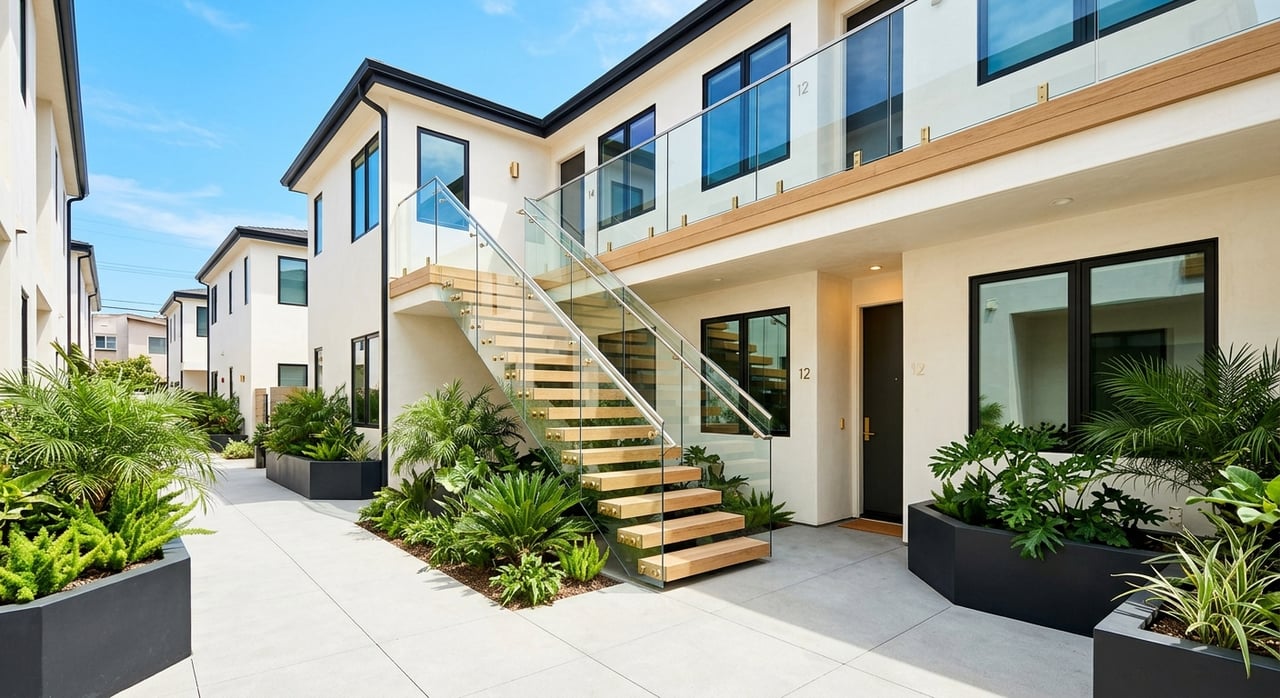
Condos and townhomes often appeal to buyers who want a lower-maintenance setup. If you expect to visit a few times a year and do not want to think much about exterior upkeep, this ownership style may feel easier to manage.
That said, convenience comes with structure. You will want to understand association dues, rules, reserve funding, and any limits that could affect how you use the property.
Single-family homes
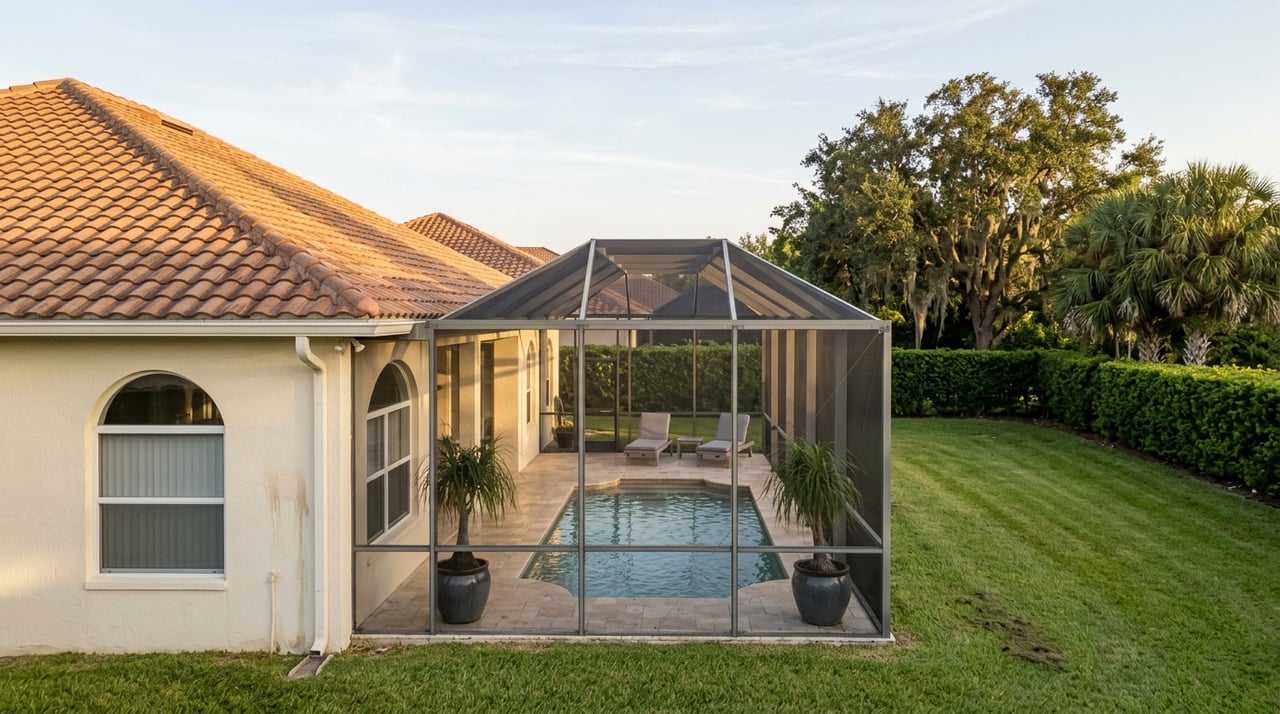
Single-family homes usually offer more autonomy, more outdoor space, and more room for guests or extra gear. If you plan longer stays or want a home base that feels more private and flexible, a detached home may be the better fit.
The tradeoff is responsibility. More yard space, exterior upkeep, and systems to maintain can mean more hands-on ownership, especially if you live elsewhere most of the year.
Key costs second-home buyers should expect
A second-home purchase comes with a different cost picture than a primary residence. In Dunedin, a few items deserve extra attention before you commit.
Homestead exemption usually will not apply
Second-home buyers should be careful not to assume they will receive homestead tax treatment. The Pinellas County Property Appraiser says homestead exemption requires the property to be your permanent residence as of January 1, and the exemption ends if the property is rented or no longer used as your homestead.
For most second-home buyers, that means you should budget without expecting those tax benefits. It is a simple point, but it can affect your annual carrying costs more than many buyers expect.
Flood and storm due diligence matters
Because Dunedin is a coastal city, flood exposure should be part of your early research. The city recommends checking a property’s flood zone through its GIS resources, and its floodplain management page outlines elevation requirements for new construction or substantial improvements in certain flood zones.
The same city guidance notes that Dunedin participates in FEMA’s Community Rating System as a Class 5 community, which can provide a 25% reduction in flood insurance premiums for eligible properties in the floodplain. You can also use FEMA’s Flood Map Service Center as the official source for flood hazard mapping products.
For you, the practical question is simple: not just whether the property is in a flood zone, but how that affects insurance cost, future improvements, and your comfort level as an owner.
Condo rules deserve extra review
If you are leaning toward a condo, look beyond the monthly dues. Florida’s condo laws have changed in ways that make reserve funding, inspections, and building condition more important to review before you buy.
The Florida Department of Business and Professional Regulation says condo law changes since 2022 focus on safety, accountability, transparency, and reserve funding. For many condominium and cooperative buildings that are three stories or higher, structural integrity reserve studies are required every 10 years, and reserve waivers are limited.
That matters because your carrying costs may be shaped by more than the advertised dues. Reserve contributions, inspection-related work, and special assessments can all affect the true cost of ownership for a part-time residence.
Think carefully about rental plans
Many second-home buyers like the idea of occasional rental income. In Dunedin, you need to verify that plan before buying, not after closing.
Short-term rentals are not allowed everywhere
The City of Dunedin’s short-term rental guidance defines short-term vacation rental use as occupancy for less than 90 days or three calendar months, including Airbnb and VRBO-style rentals. The city also states that short-term vacation rentals are not allowed in most residential districts and are only permitted in certain zoning categories.
This is one of the biggest points second-home buyers should understand. If rental flexibility is part of your strategy, the property’s zoning matters just as much as its price or location.
Registration and licensing may be required
When short-term rentals are permitted, Dunedin requires several items, including proof of registration with the Florida Department of Revenue for sales tax and Pinellas County tourist development tax, proof of DBPR vacation-rental licensure, a city business tax receipt, general liability insurance, an initial fire inspection, and an annual $200 registration fee per rental unit. These requirements are outlined in the city’s short-term vacation rental registration application.
If you hope to offset ownership costs through rentals, make sure your plan works on paper first. A home that looks perfect for occasional income may not fit city rules or operational requirements.
HOA and condo documents can limit rentals further
Even if city zoning allows a rental use, association rules may still restrict it. Florida law allows certain rental restrictions in governing documents, and condo rule changes can affect owners differently depending on when an amendment takes effect, as outlined in the Florida Statutes.
That means you should review condo or HOA documents carefully. For many buyers, this step ends up being just as important as the inspection.
A smart due diligence checklist
Before you buy a second home in Dunedin, make sure you confirm the basics that can shape both cost and flexibility.
- Verify whether the property is in a flood zone and what insurance may cost.
- Review condo or HOA documents for rental limits, reserve funding, and any special assessments.
- Confirm whether the home would qualify for homestead exemption, which second-home buyers usually will not receive.
- Check whether your intended rental plan is allowed by zoning, association rules, and city registration requirements.
- Choose a property type that matches how often you will stay and how much maintenance you want to manage.
The big takeaway for second-home buyers
Dunedin’s appeal is not about size alone. It is about lifestyle density: a compact downtown, waterfront access, nearby beaches, trail connections, and a calendar of events that can make part-time ownership feel full and rewarding.
The right second home in Dunedin is the one that fits your real pattern of use. If you want low-maintenance living, a condo or townhome may make sense. If you want more privacy, flexibility, or room to spread out, a single-family home may be the better choice. Either way, clear due diligence will help you buy with confidence.
If you are considering a second home in the Tampa Bay area and want a grounded, local perspective, connect with Amanda Siftar for expert guidance tailored to your goals.
FAQs
What makes Dunedin appealing for second-home buyers?
- Dunedin appeals to many second-home buyers because it combines a walkable downtown, Gulf access, nearby beaches, trail connections, and a steady calendar of events that supports part-time ownership.
What property types are available for second-home buyers in Dunedin?
- Dunedin offers single-family homes, condos, townhomes, multi-family homes, manufactured homes, land, and rentals, giving you options based on maintenance preferences and lifestyle needs.
Do second-home buyers in Dunedin qualify for homestead exemption?
- Usually no, because the Pinellas County homestead exemption requires the property to be your permanent residence as of January 1.
What should condo buyers in Dunedin review before purchasing a second home?
- You should review monthly dues, reserve funding, inspection requirements, building condition, special assessments, and any association rules that affect property use.
Can second-home buyers use a Dunedin property as a short-term rental?
- Possibly, but only in certain zoning categories and subject to city registration, licensing, insurance, and any condo or HOA restrictions.
Why is flood-zone research important for Dunedin second-home buyers?
- Flood-zone research is important because it can affect insurance costs, future renovation requirements, and your overall ownership risk in a coastal market.