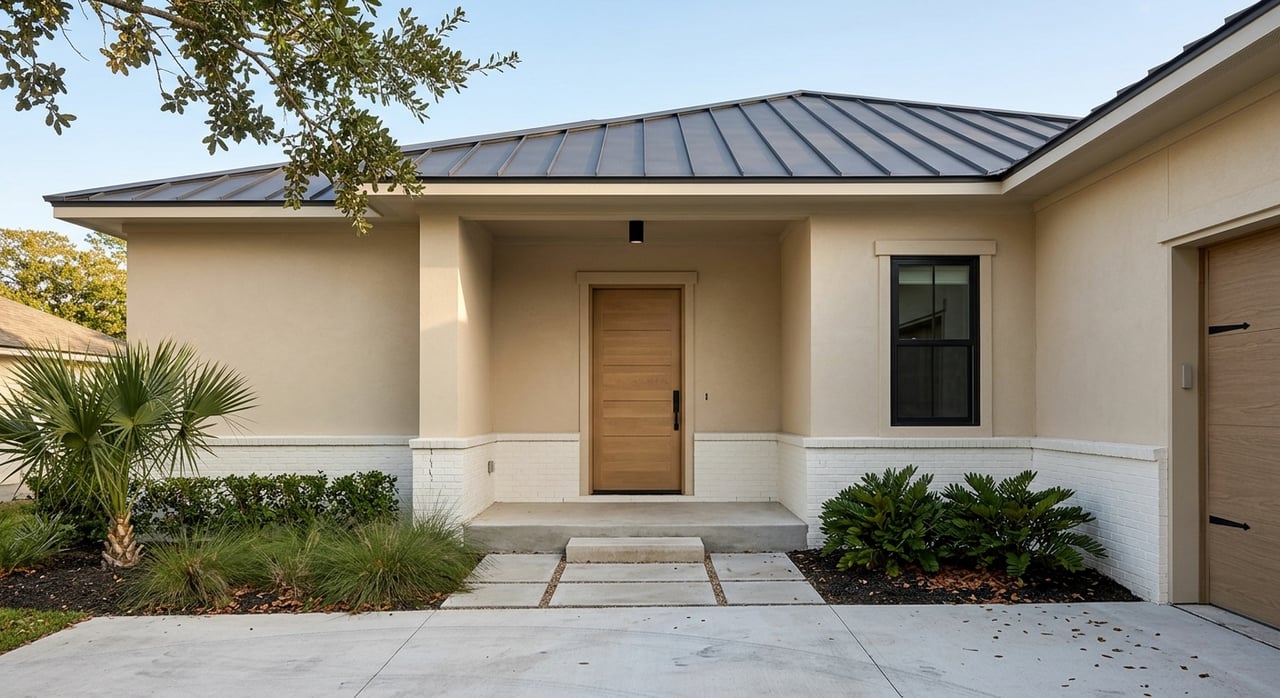
Thinking about buying a brand-new home in Wesley Chapel? You are not alone. New construction is a major part of the local housing landscape, especially in large master-planned communities where amenities, floor plans, and builder incentives can look very appealing at first glance. The challenge is knowing how to compare your options, protect your budget, and make smart choices before you sign. This guide walks you through what to expect, what to ask, and where to focus so you can buy with confidence. Let’s dive in.
Why Wesley Chapel Draws New-Construction Buyers
Wesley Chapel stands out because much of its new-home supply is concentrated in large, master-planned communities instead of scattered infill neighborhoods. According to official community information from Metro Development Group, buyers will find active builder presence in communities like Epperson, Mirada, WaterGrass, and Union Park.
That matters because your decision is often about more than the house itself. In Wesley Chapel, you are usually comparing community lifestyle, builder offerings, lot position, and monthly carrying costs all at once. That is different from shopping older resale homes in more established areas, where the neighborhood may already be built out and the amenities picture is more fixed.
Where New Construction Is Concentrated
Several of Wesley Chapel’s best-known new-home areas offer multiple builders and a wide range of home styles. That gives you options, but it also means you need to compare communities carefully rather than assuming every new neighborhood works the same way.
Epperson and Mirada
Epperson features builders such as D.R. Horton, DRB Homes, Lennar, M/I Homes, and Pulte Homes, among others. Its community amenities include a 7.5-acre lagoon, trails, Eagle Park and Lakehouse, and other neighborhood features highlighted by the developer.
Mirada also offers a broad builder mix, including Casa Fresca Homes, D.R. Horton, Dream Finders Homes, Homes by WestBay, Lennar, Ryan Homes, and others. Official community information notes amenities such as a 15+ acre MetroLagoon, trails, a dog park, and a 55+ section.
WaterGrass and Union Park
WaterGrass includes builders such as D.R. Horton, Inland Homes, M/I Homes, Meritage Homes, Taylor Morrison, and Vitale Homes. It also features a Quick Move-In Homes section, which is helpful if you want new construction without waiting through a full build timeline.
Union Park highlights D.R. Horton and features amenities such as a clubhouse, pool, trails, splash pad, and fitness areas. The community page also notes that flood insurance can depend on the exact homesite, which is an important reminder that lot-level due diligence matters.
Understand the Real Cost Beyond Base Price
One of the biggest mistakes buyers make is focusing too much on the advertised base price. In Wesley Chapel, your total monthly cost may also include HOA dues, CDD-related assessments, insurance differences by lot, and upgrade costs that are not always reflected in the starting number you first see online.
For example, the official Estancia at Wiregrass CDD site explains that the district financed and maintains certain infrastructure and improvements through tax-exempt bonds. In practical terms, that means you should ask whether a home has recurring district assessments in addition to HOA fees.
A smart comparison looks at the full picture:
- Base purchase price
- Lot premium, if any
- Structural upgrades
- Design-center selections
- HOA dues
- CDD or district assessments
- Insurance costs tied to the homesite
- Closing-cost impact based on financing terms
How the New-Construction Timeline Usually Works
A lot of buyers ask the same question: how long will it take? The answer depends on whether you are buying a to-be-built home, a home already under construction, or a quick move-in property.
According to the U.S. Census Bureau’s 2024 construction timing data, 55% of built-for-sale single-family homes were completed in 4 to 6 months, and another 19% took 7 to 9 months. That makes a roughly four-to-nine-month window a useful planning benchmark for many production-style homes.
In Wesley Chapel, some communities offer both personalized builds and faster inventory homes. WaterGrass, for example, shows quick move-in options alongside to-be-built opportunities, which can be useful if you are relocating on a tighter timeline.
Typical buying steps
Most buyers move through a process that looks something like this:
- Choose a community and builder
- Select a homesite and floor plan
- Sign the contract
- Finalize financing
- Make design or upgrade selections
- Track construction progress
- Complete a pre-drywall review
- Do the final walkthrough
- Close and move in
The exact sequence can vary by builder, but this framework helps you know what is coming next.
Upgrades: What Matters Most
Builder design centers can be exciting, but they can also become expensive fast. The key is knowing which choices are hard to change later and which ones can wait.
A practical way to think about upgrades is to separate structural choices from finish choices. Based on how builders like Pulte present floor plan, elevation, and design personalization options, structural items such as layout, outdoor living space, and lot position are usually the hardest to change after closing.
Finish choices are often easier to update later. Depending on the builder and floor plan, things like some lighting, paint, or decorative details may be simpler to refresh over time than changing the footprint of the home.
Prioritize these first
If your budget is limited, consider focusing first on:
- The lot itself
- Floor plan flow and room placement
- Structural options that improve daily function
- Outdoor living features you know you want
- Kitchen and bath selections with strong everyday use
Many buyers overspend on cosmetic upgrades and underthink the lot or layout. In resale, buyers often notice location within the community, floor plan usability, and overall condition before they notice every design-center detail.
Builder Incentives Can Help, but Read the Fine Print
Builder incentives can be useful, especially if they reduce your upfront cash or monthly payment. But they are rarely one-size-fits-all.
Research in the report shows that incentives may come in the form of design credits, closing-cost assistance, or interest-rate buydowns. For example, Homes by WestBay has promoted incentives that may be applied toward design selections, closing costs, or rate buydowns, while M/I Homes has offered design-studio credit on certain to-be-built homes.
In practice, these offers are often community-specific and may require you to use the builder’s preferred lender. That does not automatically make them a bad deal, but it does mean you should compare the total cost carefully rather than choosing based on the headline offer alone.
Ask questions like:
- What is the incentive worth in dollars?
- Does it require using a preferred lender?
- Is the incentive tied to specific homes or deadlines?
- Would a different financing structure save more over time?
Why Inspections Still Matter on a New Build
A brand-new house does not mean a risk-free house. Even with a builder warranty, inspections are still one of the smartest ways to protect yourself during the build process.
According to InterNACHI’s guidance on pre-drywall inspections, a pre-drywall inspection happens after major components like foundation, framing, roofing, windows, doors, exterior covering, and rough mechanical systems are installed, but before drywall covers them up. That timing matters because it is much easier to address visible issues before the walls are closed.
A practical inspection plan may include:
- A phase inspection during construction
- A pre-drywall inspection
- A final inspection near completion
Each checkpoint gives you a chance to identify concerns before move-in.
Know What the Builder Warranty Covers
A builder warranty can be helpful, but it is important to read it closely. Not everything is covered, and coverage periods can vary by component.
The Federal Trade Commission’s guide to new-home warranties says many builder warranties cover workmanship and materials on most components for one year, systems such as HVAC, plumbing, and electrical for two years, and some major structural defects for ten years. The FTC also notes that many warranties exclude appliances, small cracks, and out-of-pocket living expenses during repairs.
That is why documentation matters. Keep records, note issues as they arise, and do not wait until the workmanship period is almost over to raise concerns.
New Construction vs. Resale in Wesley Chapel
If you are trying to decide between a new build and an older home, sticker price alone does not tell the full story. The value comparison is often closer than buyers expect.
The National Association of Home Builders reported early 2025 national pricing of $416,900 for new single-family homes versus $402,300 for existing homes. In the South, the gap was also relatively narrow at $376,000 for new homes versus $361,800 for existing homes. That suggests the premium for new construction exists, but it is not always dramatic.
Locally, the research report shows a range of Wesley Chapel pricing indicators. Zillow reported typical home values of $401,530 and a January 2026 median sale price of $394,833 for Wesley Chapel, while Realtor.com showed a median sale price around $450.5K. Pasco County’s January 2026 median sale price was $365,000, with 3.7 months of inventory and a median time to sale of 87 days. These figures use different methodologies, so it is more useful to treat them as a range than as one exact number.
A practical way to compare
New construction often competes on:
- Move-in condition
- Energy efficiency
- Builder warranty coverage
- Community amenities
Older resale homes often compete on:
- Lower entry price
- More established surroundings
- Potentially different lot sizes or settings
- Immediate availability without build time
The better question is not “Which is cheaper?” It is “Which option gives you the best long-term fit for your budget, lifestyle, and future resale goals?”
What to Ask Before You Sign
Before you move forward on a new home in Wesley Chapel, make sure you get clear answers to a few practical questions.
Key questions for buyers
- What is included in the base price?
- Which upgrades are structural and which are cosmetic?
- Are there lot premiums on this homesite?
- What are the HOA and CDD-related costs?
- Does this lot require flood insurance?
- What incentives are currently available, and what are the terms?
- What is the estimated build timeline?
- When can inspections take place?
- What does the builder warranty exclude?
These answers can make a major difference in both your monthly cost and your overall satisfaction after closing.
Final Thoughts on Buying New in Wesley Chapel
Buying new construction in Wesley Chapel can be a great move if you approach it with a clear plan. The area offers strong community amenity packages, multiple builder options, and a mix of to-be-built and quick move-in opportunities. But the smartest buyers look beyond the model home and compare total monthly cost, lot quality, builder process, inspection checkpoints, and long-term resale fit.
If you want a practical second opinion as you compare Wesley Chapel communities, builders, and resale alternatives across the Tampa Bay suburbs, connecting with a local advisor can save you time and help you avoid expensive missteps. When you are ready, reach out to Amanda Siftar for thoughtful, founder-led guidance tailored to your goals.
FAQs
What should you compare when buying new construction in Wesley Chapel?
- You should compare total monthly cost, lot quality, floor plan functionality, HOA and CDD fees, possible flood insurance needs, builder incentives, and resale potential rather than looking at base price alone.
How long does a new-construction home usually take in Wesley Chapel?
- A useful benchmark is about 4 to 9 months for many production-style homes, depending on whether the home is to-be-built, already under construction, or available as a quick move-in property.
Do Wesley Chapel new-construction communities have CDD fees?
- Some communities may include district-related assessments tied to infrastructure financing, so you should ask specifically about recurring CDD or district costs in addition to HOA dues.
Should you get an inspection on a brand-new home in Wesley Chapel?
- Yes, inspections can still be valuable on a new build, especially at the pre-drywall stage and again before closing, because they can help identify issues before they become harder to fix.
Is new construction in Wesley Chapel always more expensive than resale?
- Not always by a wide margin. Research shows the price gap between new and existing homes can be relatively modest, which is why it helps to compare the full value picture and not just the purchase price.